
Why Fiber Internet Offers a More Secure Connection
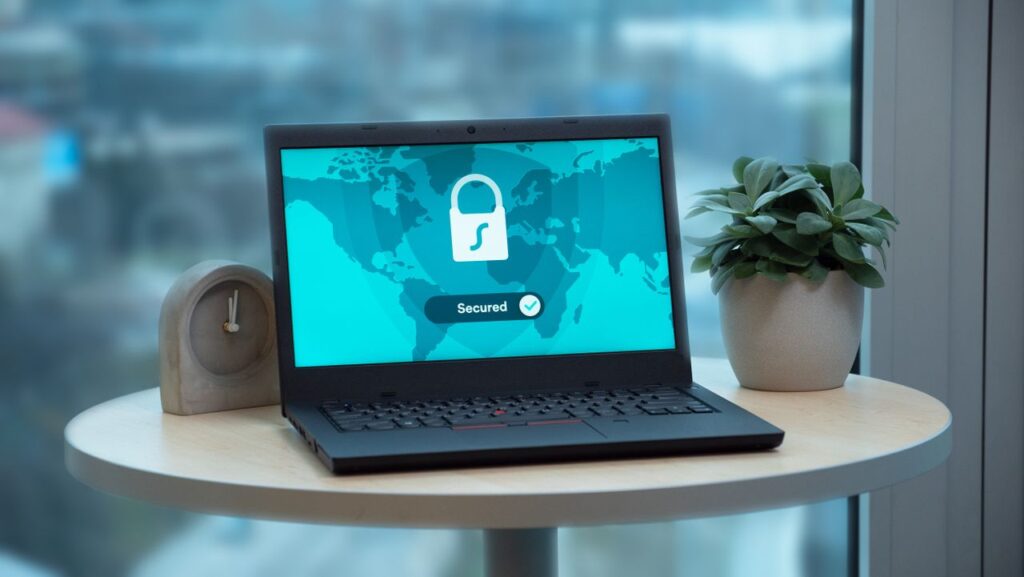
Protecting personal information, online activity, and connected devices starts long before you open a browser or log into an account. It starts with how your home connects to the internet in the first place. Different internet technologies transmit data in different ways, and those differences can affect how exposed that data is to certain security risks. Fiber internet stands out here. Because it relies on a physical, wired connection, it offers distinct security advantages that wireless alternatives can’t fully replicate.
Why Is Fiber Internet Harder to Intercept Physically?
Fiber-optic cables carry data as pulses of light through enclosed strands of glass, each thinner than a human hair. This matters because fiber doesn’t broadcast the internet signal through open air between the provider’s network and the customer’s home. Instead, the data stays contained within the cable itself.
That containment makes a meaningful difference. Intercepting a fiber connection generally requires physical access to the cable or the network equipment it runs through. Compare that to 5G and satellite internet, which rely on radio signals traveling through the air to reach a home or device. Those airborne signals create exposure that a sealed glass strand simply doesn’t have.
Do Wireless Connections Create More Exposure Points?
5G and satellite internet depend on wireless links to deliver service, and each of those links introduces another point where communications need protection. Radio signals can potentially be intercepted or disrupted while traveling through the air, even though encryption and other safeguards help reduce that risk significantly.
Fiber doesn’t eliminate every possible cybersecurity threat; no technology does. What it does is reduce exposure specifically along the access connection, the stretch between the provider’s network and the customer’s home. Fewer wireless handoffs mean fewer opportunities for that particular type of interference.
Does Fiber Internet Guarantee Complete Data Protection?
Fiber provides a secure physical foundation, but that foundation is only one layer of a much larger security picture. Nuvera’s network, the customer’s router, connected devices, and the software running on them all play a role in keeping data safe.
Encryption protects information as it moves across the network. Secure Wi-Fi passwords keep unauthorized users off a home network. Regular router updates patch vulnerabilities before they can be exploited. Strong account authentication adds another barrier against unauthorized access. Fiber strengthens the connection itself, while these practices protect everything connected to it. Both pieces matter, and neither one can substitute for the other.
Make Security Part of Your Internet Choice
Fiber’s core advantage comes down to its wired design, which avoids the wireless exposure that comes with the provider-to-home access link in 5G and satellite connections. That’s a meaningful distinction for anyone weighing internet options.
Speed and reliability tend to dominate internet shopping decisions, but security deserves a seat at that table too. The technology carrying your data matters. So does everything surrounding it, from your router settings to your password habits. Choose the connection that gives you the strongest starting point, then build good security habits on top of it. Learn more about Nuvera’s fiber internet offerings.
Related Articles
Protecting personal information, online activity, and connected devices starts long before you open a browser or log into an account. It starts with how your […]

What is the solar fade and how will it affect you? Are you ready for the solar fade season? It’s that time of year when […]

Fiber internet delivers the fast, reliable connection today’s households need. Whether you’re streaming, working from home, gaming, video calling or connecting multiple devices at once, […]